
Livestock Risk Protection (LRP) | Cattle Market Security
Lock In Your Future. Protect Your Herd.
Advanced Price Floor Protection for Missouri and Arkansas Cattle Producers.
In the volatile cattle market, Livestock Risk Protection (LRP) is your most powerful tool for financial stability. We provide data-driven LRP strategies that allow you to lock in a price floor, protecting your investment from sudden market downturns while keeping you positioned for upside growth. At Ozark Hills Insurance, we understand that your cattle aren’t just livestock—they are your livelihood.
Locked-In Price Floors
LRP allows you to establish a guaranteed minimum price for your feeder or fed cattle, ensuring a market drop doesn't derail your operation.
No Minimum Head Counts
Unlike traditional put options, LRP is accessible for operations of all sizes. Protect a single head or an entire herd with equal precision.
Government Subsidized
Benefit from federal premium subsidies that make LRP one of the most cost-effective risk management tools available to the modern rancher.
The 4-Step Process for LRP (Price Protection)
LRP is a federally subsidized program that acts like a price floor for your cattle.
Application & Eligibility: First, you’ll submit a one-time application with Ozark Hills Insurance to establish your eligibility. Once approved by the USDA, you are cleared to purchase coverage throughout the year.
Select Your Endorsement: You choose the number of head, the target weight, and the “End Date” (13 to 52 weeks out) that aligns with when you plan to market your cattle.
Lock in Your Floor: You select a coverage price—typically 90% to 100% of the expected ending value. This locks in your price floor. Because this is a USDA-backed program, your premiums are subsidized (often 35% to 55%), making it highly affordable.
Automatic Market Adjustment: At the end of your term, if the CME Feeder Cattle Index (for Missouri and surrounding states) is lower than your coverage price, you are paid the difference. You aren’t required to sell the cattle to collect; the payment is based strictly on the market index.
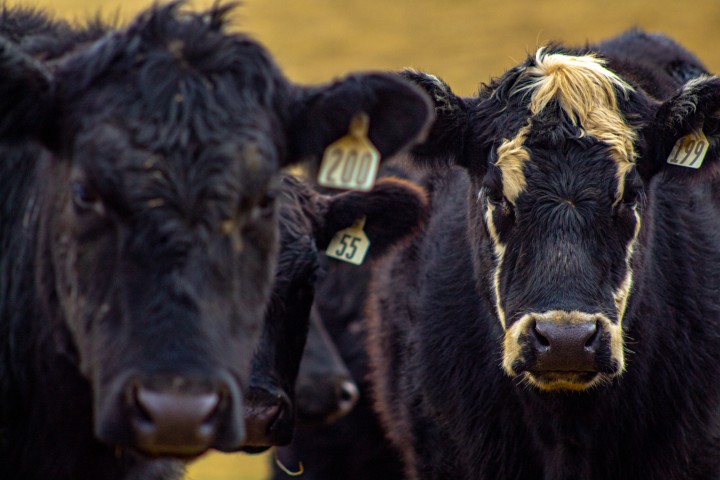
LRP Technical Data
Coverage Focus: Price Decline Protection.
Eligible Livestock: Feeder Cattle, Fed Cattle, and Swine.
Regional Expertise: Specialized for the Missouri and Arkansas Ozarks.
Claim Trigger: Based on the CME Adjusted Index (No physical inspection required for price claims).
Livestock Risk Protection (LRP) FAQ
1. What is the primary benefit of a Livestock Risk Protection (LRP) policy? LRP acts as a “price floor” for your operation. It allows you to lock in a guaranteed minimum price for your cattle. If the market index (CME) drops below your coverage price at the end of the term, the insurance pays you the difference, ensuring a market downturn doesn’t result in a devastating financial loss.
2. How does LRP differ from traditional livestock mortality insurance? While mortality insurance protects you against the physical loss of the animal (death or theft), LRP protects you against market volatility. It is a financial tool designed to protect the value of your herd rather than the physical health of the animals.
3. Is there a minimum head requirement for LRP in Missouri or Arkansas? No. One of the greatest advantages of LRP is its accessibility. Unlike some private put options or hedge requirements, LRP has no minimum head count. Whether you are protecting a single calf or an entire herd, you can access the same level of market protection.
4. How is the “Ending Value” of my cattle determined for a claim? LRP claims are not based on what you personally receive at the sale barn. Instead, they are calculated using the CME Adjusted Index. This is a major benefit because it removes the need for physical inspections or proof of sale to trigger a payment—if the regional index drops, the policy triggers.
5. Is the premium for LRP subsidized by the federal government? Yes. LRP is a federally reinsured product, and the premiums are significantly subsidized by the USDA’s Risk Management Agency (RMA). This makes it one of the most cost-effective ways for Ozark producers to manage their market risk.
Livestock Mortality Insurance | Individual & Herd Protection
While Livestock Risk Protection (LRP) secures your operation against market volatility, Livestock Mortality Insurance provides the essential safeguard for the physical health of your herd. At Ozark Hills Insurance, we offer comprehensive mortality coverage designed to protect your most significant biological investments—from elite registered bulls to high-value commercial herds—against death due to accident, injury, illness, or disease. By pairing market-side LRP with physical-side Mortality insurance, we help you build a 360-degree safety net that ensures a single unforeseen event doesn’t jeopardize your operation’s long-term viability.
.
Livestock Mortality Insurance FAQ
1. What does a Livestock Mortality policy specifically cover? Livestock Mortality insurance is a “Full Mortality” policy, often referred to as life insurance for your cattle. It typically covers the death of the animal due to accident, injury, illness, or disease. It also includes coverage for humane destruction when required by a veterinarian to prevent the animal’s suffering from a covered condition.
2. How is the value of the animal determined for a Mortality policy? Coverage is generally based on the “Agreed Value” of the animal. For registered stock, this is supported by purchase price, pedigree, and performance records. For commercial herds, values are determined based on current market data. We work with you to ensure the policy reflects the true replacement cost of your investment.
3. Does Mortality insurance cover theft? Yes, most of our comprehensive Mortality policies include coverage for theft. Because we understand the rural landscape, we ensure your policy protects your assets from illegal removal, providing an extra layer of security for your operation.
4. Can I get Mortality insurance for my entire herd or just individual animals? We offer both individual policies for high-value registered bulls and donors, as well as blanket or “herd” mortality options for larger commercial groups. This allows you to scale your protection based on the specific risk level of different assets within your operation.
5. Is a veterinary exam required to start a policy? For individual high-value animals (typically over a certain dollar threshold), a standard health certificate or a brief veterinary examination is often required. For younger animals or lower-value stock, a simple “Statement of Health” from the owner may be sufficient to initiate coverage.
Meet Our Ag Team
Led by career-long Ag-business experts, our team specializes in sophisticated risk management solutions including (LRP) Livestock Risk Protection, PRF Rainfall Indexing and Multi-Peril Crop Insurance for Missouri and Arkansas livestock and row-crop operations.
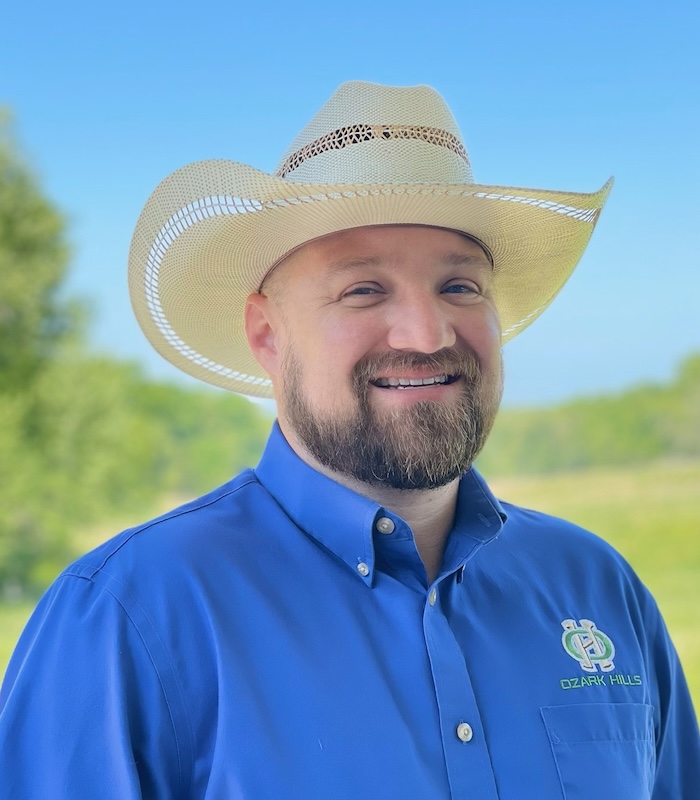
Jared Underwood
President
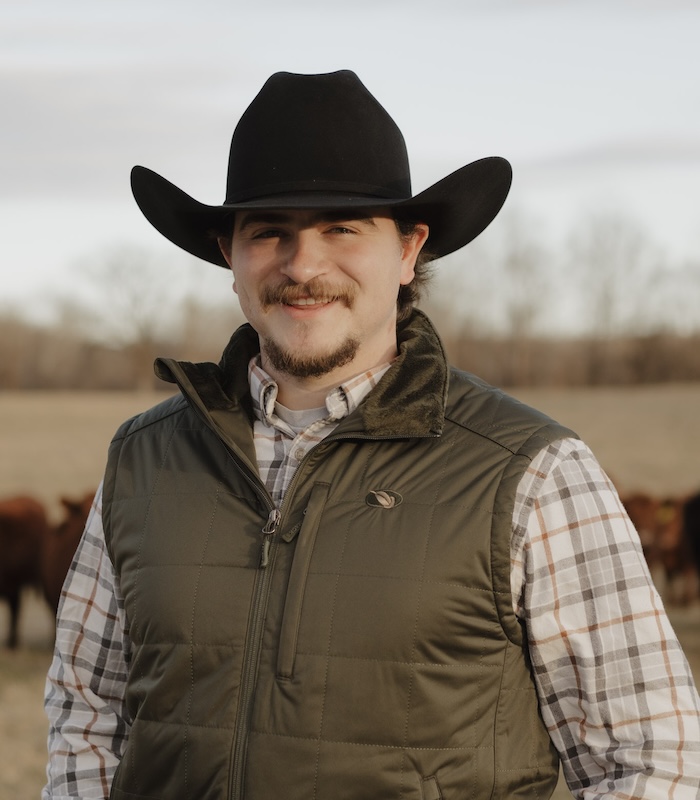
Will Gourley
Agent
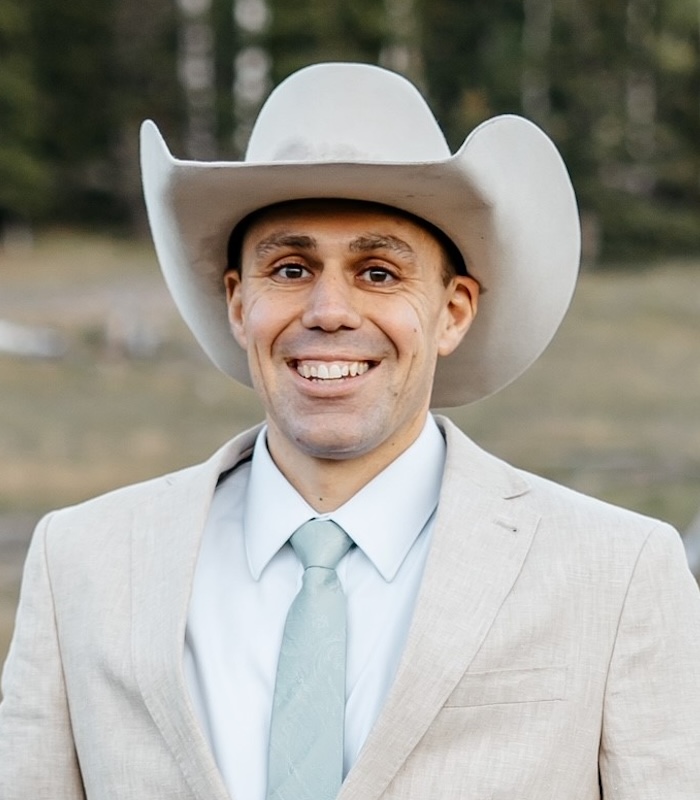
Hayden Ballard
Agent
Riley Shay
Agent
Adam Issacs
Agent